Facebook!

Twitter

Tumblr


Showing posts with label WINE BLOGGING WEDNESDAY. Show all posts

20080320

More news on WBW, plus a failed theme of my own called "When chard turns to sherry": Laroche Les Pierres 2002 and Alvear Carlos VII Montilla Moriles


Lenn Thompson's Wine Blogging Wednesday legacy continues to inspire. This month in particular, I've found that I've been posting multiple WBW entries, even though WBW comes but once a month.

With the latest WBW news, I'm certainly not stopping the flow of WBW posts now -- so March continues to be a month full of interesting WBW developments and I'm on a roll posting about them.

Lenn, who runs LennDevours, should be very proud of an announcement made yesterday that Gary Vaynerchuk is the next host of WBW 44 on April 2 (AKA the 33rd of March).

The theme set by Gary for WBW 44 is French Cabernet Franc, which in itself is fantastic, but it's so much more than that. Gary's Wine Library TV makes WBW 44 the first edition to be hosted by a video blog (or so I believe). Plus Gary is a force, on a totally different level than any other blogger (a testament to this is how many non-wino, non-blogging friends of mine have tried to point me to Gary's site over the years). Gary has obviously had crossover success. He's penetrated the genre of online wine criticism, branded his own unique take on wine talk, and reached out and touched the great unwashed, for lack of a better term. And, by the way, it's worth noting the influence he has. WBW 44 participants are supposed to link their blog's entry by using the comments attached to Gary's announcement, which was officially made in Episode 426 -- well, in less than one day, Episode 426 has already received 315 comments and the blogging event is still weeks away. Now that's some reach!

ENTER MY MISBEGOTTEN WINE THEME

Last Wednesday, I found myself reaching. Except unlike Gary, when I'm reaching, I'm usually over-reaching. Anyway, there I was, sitting around mid-month and bored. No sign of the next WBW, and WBW 43 was already over and successfully wrapped up.

I was desperate for some theme action.

So I walked into a wine shop and instantly created a theme for my purchase: Discounted wine. Yes, discounted wine. See the receipt pictured at right -- I not only saved $2.50 or 10% off a $25 bottle, I also saved 5 cents more as I brought my own reusable bag for my purchase. $2.55 in my pocket! Yay, discount wine theme!

Gentle reader, you do note the irony here.

Discounted wine is a dangerous topic and even more dangerous as a theme for a blogging event. How many of you have bought marked down bottles only to uncork them and find that there was good reason for their being priced to clear?

I was entirely optimistic at the time though.

Les Pierres means "the rocks" in French, plus since 2002 was such a great year for cold-climate French wine, I figured I was on solid ground with this find.

So I went ahead and rescued that last 2002 Chablis languishing on the shelf from among a bunch of 2004s. The 2002 had a stained label (see photo at left for its good side, photo below for its bad side).

More than that the 2002 sported a different cuvée name than the 04s (they were also marked down but christened "Saint-Martin," not "Les Pierres" as the 2002 was -- yet they all shared the same product code and that same alluring discounted price.)

In fact, I bought this wine before. I recall enjoying the 2002 Chablis from Domaine Laroche a couple of years ago. I even noted it here. It was not called "Les Pierres" at that time either, which now leads me to think that this discounted bottle was a mix-up. Perhaps a remainder from an old shipment destined for some other market where Laroche wanted a less saintly, more rock-solid image. Who knows whose hands touched it. Or didn't touch it as the case may be, leaving it to oxidize and taint in warm rooms hit by direct sunlight.

But to the consumer who sees the 10% promise attached around the neck of this bottle, only that stained label is apparent. And so the smart consumer buys it, thinking that it's what's inside that counts.

Well, here's what's inside...

Domaine Laroche "Les Pierres" Chablis 2002

Eyes: An intense amber colour.

Nose: Very oxidized, tragically so -- acrid, rotting vegetables.

Mouth: Piercing on the palate, beyond vinegary. This is fermented.

Stomach: Puke-inducing.

Michel Laroche, Chablis, France. 12.5%.

But all was not lost. The theme of my impromptu event was changing before my very eyes. Friends had a bottle of sherry to open, which was a serendipitous turn. It was a non-vintage Amontillado from the Montilla Moriles appellation from Andalusia region of Spain.

So we opened it to see whether our volatile Chablis was actually on its way to sherry glory. And maybe in that sense cut it some slack.

First, I should say that this Amontillado produced by Alvear is more on the Fino sherry side than Oloroso. Typically, Amontillados are in between the two -- darker than a Fino but lighter than an Oloroso -- but I thought this bottle was quite reminiscent of some Finos I've had. Dry and deftly penetrating. An aperitif-type drink to enjoy before the food arrives.

Here now are the comparative notes...

Alvear Carlos VII Amontillado Montilla Moriles

Eyes: Slightly less opulent in colour but more viscous.

Nose: Oxidation but with great complexity -- nut purees, apricot confits, allspice and other stunning spicy notes.

Mouth: Wet bandages and almond shells, alcoholic but stylish and drying.

Stomach: Aperitif, ideal with dry-roasted nutmeats.

Córdoba, Andalucía, Espagne. 19%.

Conclusions! Old Chablis does not a sherry make; Caveat emptor, especially on older wines that are discounted.

20080314

Another WBW update: Attems Cicinis Bianco 2005


You've heard about the impossibility of a month of Sundays, but how about a month of WBWs? It's not impossible!

March is shaping up to be a month of Wine Blogging Wednesdays around here. WBW 43 wraps up with a rundown on comfort wines (click to Wine Life Today to figure out what that means -- Joel Vincent did a thorough write-up). Meanwhile, I'm finally publishing notes I wrote up with the idea of posting them to WBW 41, which was on the theme of Friuli-Venezia Giulia white wines.

Please bare with me and my misgivings on the blogging event front. I'm not participating as much as I would like to. And then when I do, I go and code 42 into the URL for WBW 43 or decide to contribute two months too late. Whoops!

Blogging like wine tasting is a fallible undertaking. Remember that.

In any case, here's some information you can take at face value: Friuli-Venezia Giulia is an expansive region in northern Italy, and way back in January, Jack and Joanne hosted a vast array of helpful resources for both the beginner and the devotee. Check it out at Fork & Bottle.

Attems Cicinis Collio Bianco 2005

The name of the winery is Attems, the name of the cuvée is Cicinis, and the name of the appellation is Collio. Bianco, of course, means white.

Attems is run under the ownership of the giant wine producer Marchesi de Frescobaldi società agricola, based in Tuscany. For the estate of Conti Attems, the producers stray far from the typical terroir and output of Chianti. The Cicinis cuvée is a blend of Sauvignon Blanc, Tocai Friuliano, and Pinot Bianco. But its manufacture with heavy wood and an oxidative note may end up frustrating amateurs looking for a real sense of what Collio -- an official Italian D.O.C. designation -- is all about. It was priced immodestly at over $25 when I bought it.

Here's what I recorded for it.

Eyes: Deeply pigmented from a white wine.

Nose: Wet bandages and vanilla combining in a silky smooth way. Also notes of honeycomb.

Mouth: Caramelized on the palate. There are flowers but a strong oxidized note makes this wine very distinct. It seems a bit distilled.

Stomach: I think chocolate is your safest bet for this kind of wine because it resembles the booze in some desserts like icewine truffles or fruitcake. Otherwise pair it with a very rich and mouthfilling dinner and accept my best wishes for good luck.

Conti Attems, Lucinico, Gorizia, Italia. 13%.

20080306

WBW #43 Comfort Wines: Grenache blends like the Château de la Gardine 2004


My first post of March is March's Wine Blogging Wednesday event -- WBW comes early in March! This one clearly snuck up on me, but I was not unprepared.

Thanks to Joel at Wine Life Today for getting me motivated to finally get some of my wine tasting notes up.

Joel's timing for March's event -- called "comfort wines" -- seems perfect. This week I've been popping corks on some very soul-sustaining, get-me-through-the-winter wines. March is usually severe and wintry during this year of La Nina. Comfort wines are exactly what I've been calling for lately, and likely will until some signs of spring arrive.

The definition of a comfort wine may be highly personal. Joel offers guidance as host, but in the most general definition I have in my mind, I would expect that people thinking of their favourite comfort wines would think of red wines that are somewhat rich and substantive -- a bottle that puts meat on your bones so you can settle in for a long winter's nap. When your hibernation's over you'll awake with fond memories of that nourishing and generous wine!

So to recap, my idea of a comfort wine is one this a) red, b) ripe and c) with potentially high extraction. Above all, it is d) not a wine that you would serve with a green salad. It should feature a strong flavour profile and admirable texture, though not necessarily supplied by heavy tannin. It should be lusty, savoury and long in the mouth.

In other words, it should be a classy cuvée that involves some Grenache grapes.

GRENACHE/GRANACHA IS COZY/COSY

Grenache, or Granacha in Spanish, is the go-to grape for Spain's D.O. Montsant red wines and France's A.O.C. Faugères red blends. I mention them because I sampled one of each this week.

Both the Mas Collet Montsant 2004 and the Les Premières Faugères 2005 satisfy a definition of "comfort wine" I subscribe to.

The Mas Collet brings in an attractive level of oak and Cabernet Sauvignon to the comforting affect this wine has. Overall though this is an exemplary Grenache blend after so-so recent vintages: the 2004 is far from flabby and it possesses a nice, if light structure, for all of $15. See this recent review from a Quebec wine critic and blogger Rémy Charest and click its bottle image above for its descriptive file and local availability.

Jean-Michel Alquier's Faugères, out of the Languedoc region of the Midi, is so beautifully balanced and long in mouth, it's simply remarkable this is an under $25 wine (it's only a shade above $20 not including the tax). It has such a lengthy finish that this is a wine that fully does taste $10 more than the Spaniard. I enjoyed it immensely, to the detriment of my better note-taking. Here instead are notes from a glowing 1855.com review (written in French), complete with a top score from the 1855 people, so much so that I bet they are effectively forgetting the Bordeaux touchstone of their namesake. Click on its bottle image above for more details.

As my grandmother used to say, it's nice to be able to live life comfortably. After grandpa got that job as a foreman steelworker, her idea of comfort was all about being able to spend the extra dollars to occasionally pamper yourself. Like with a $30+ bottle of wine. That's living comfortably!

LUXURIOUS COMFORT

And for some this comfort wine. It's got that Grenache goodness too.

With that in mind my first and foremost comfort wine is the Château de la Gardine Châteauneuf-du-Pape 2001. This is the wine I celebrated my promotion with last year. We're talking crazy candied orange peels in a classically-styled and hearty wine that approaches the depth and savoriness of vintage port wine. Or at least that is what I recall. (When drinking the best comfort wines, it's best not to talk notes.)

So I only have notes on the current vintage, the Château de la Gardine Châteauneuf-du-Pape 2004, which is less exciting (less comforting too). Still nice though. The 2005 version is already replacing previous stock; it is getting more favourable reviews. (In any case, I tasted the 2004 recently after seeing it discounted to under $30 and I think it was worth it at that kind of price.)

Eyes: Light fuschia with dull red brick tone to it.

Nose: Alcohol aroma overlying meaty and juicy notes. The meat is more charred than fatty. Mineral component too -- could be ash -- but as a non-smoker this is all a strangely alluring bouquet for me.

Mouth: Bright and rasping with creamy notes. Sports a sunniness to it -- there's enough acid to make it a good Grenache in my books. Baked berries with pits. Typical Midi really with its developing fruit. But it's also zesty in both texture and flavour, kind of like a root beer with influences of star anise and sweet spice supported by the savoury edge on the acid and a medium body. Long finish and nice tannins.

Stomach: This style of wine seems to become even more luscious at the dinner table because it's otherwise a young and upfront wine that can use a little time mellowing. Right now, this wine can be great with couscous and garlicky merguez sausage. It's like the best cherry cola you've ever had with dinner.

20080213

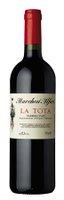
WBW #42 Just Seven Words: Marchesi Alfieri La Tota 2005


"Better than 2004's -- now I taste oak!"

San Martino, Alfieri, Italia. 13.5% <-- half a percent less alcohol than the 2004.

(Thanks to Andrew at Spittoon for this great great idea. I haven't participated in the last few events for WBW and hadn't really planned on contributing -- until I realized this could be my shortest post of all time and a little brevity always has its place . . . except in War and Peace.)

20071114

WBW #39 Silver Burgundy: Domaine François Lumpp Crausot 2004


Today it's BrooklynGuy's turn to host Wine Blogging Wednesday. With it comes a theme that brings bloggers a piece of him.

What makes BrooklynGuy tick may be a question you've asked yourself if you've ever followed the ongoing and always intriguing blogging going on at BrooklynGuy's Wine and Food Blog.

It's fairly obvious to the casual reader that BG is big fan of Burgundies. But when I met him he told me that these were the wines that turned him a true wine lover beyond the point of return. He admitted that these were expensive wines. With a newly arrived BrooklynBaby on the scene (and those BrooklynRents aren't going down either you know), BrooklynGuy's need to find greater value wines from storied French wine regions grew more urgent.

Hence WBW 33, hosted by me, which... whoops, wrong WBW! But like the WBW 33 Languedoc-Roussillon value wines I did in May, BrooklynGuy has asked participants to look to other wines -- the lesser knowns and the humbler reputations (in this case, Burgundy's Côte Chalonnaise and Mâconnais) -- to find some quality bottles at a more affordable, everyday price. Hear hear!

Hence Silver Burgundy. There's no need to always try to go for the gold. In the world of wine, I couldn't agree with this sentiment more.

I have a feeling the bottle I picked up for WBW 39 is too expensive, despite all this. I knew I wanted a red, and since I already had experienced a couple of great Mercureys (both the Michel Juillot and the Marquis de Jouennes would've been perfect entries for WBW 39), it was the Givry region I was perusing. In the end, they were very alluring to me and perhaps I put more weight on the appellation part than the getting a bargain part.

I picked up the Domaine François Lumpp Givry Premier Cru Crausot 2004 -- the Crausot in the name being the precise plot of land in Givry that Monsieur Lumpp uses. This bottle is priced in the mid-thirties in Quebec (see its online descriptive record here). That's because it's not only just any old Givry -- Givry being situated in the heart of the Chalonnaise region -- but because it's also a Givry Premier Cru -- my first Burgundy cru, or classed growth. So apparently that Crausot vineyard is hot stuff. Not sure if crus are what Silver Burgundy is all about, but went for it anyway.

I was very interested in seeing how this would pan out. So, of course, I would be disappointed. I think maybe I should've taken baby steps. BrooklynGuy seemed to want to ease fellow bloggers into this one and I may have dived in head first. Here's what I found.
Eyes: Flashy, intensely coloured and bright ruby in the glass.

Nose: In terms of aroma, I thought it smelled like barn on fire that contained a whole lot of freshly picked mushrooms and was subsequently doused with vats of cherry kirsh. Over time, this sense seems to wane. Maybe I got used it? Not sure. But I see that Jane MacQuitty endorsed this wine -- perhaps because it so vanilla-ish overall.

Mouth: This is a very overt wine. Also very smoky with strong cherry verging on cherry medicine by virtue of the heavy extraction. There's also some interesting earthiness and pinch of cacao, but mostly it reminds me of concentrated jello. A squelch of acid is followed by a much simpler finish than I was hoping for a wine of this calibre.

Stomach: Fairly demanding with food, I have to say. I had to re-season my meal, midstream. The chicken breast encrusted in Gran Padano and mustard-celery seeds was a lively match that stood up to this hulking Pinot. It brought out the spice and verve that lies at this Givry cru's centre. However, my simply prepared mushrooms did nothing for the wine and I really had to enhance them to continue. More flavourful were roasted red and yellow peppers. They had an intensity that paired fairly well because its strong ovenroasted notes complemented the wine's.

A LUMPPY RIDE SMOOTHES OUT OVER TIME

On the second night, this Lumpp cuvée was showing off a fruity licorice profile that I quite enjoyed and by this time the length seems quite spectacular to me but I still would not buy it again -- even if a thorough decant could get me to this point again.

My conclusions on this wine don't beat around the bush. This is a heavily extracted wine that possesses little intrigue and too much oak. Not a lot of complexity or anything that really flags my interest. This is exactly what I'd call a boring though technically sound wine. Other than the nose I'm fairly sure all aspects of this wine could be found in a Mondavi wine of half its price. In a word: Lumpp-ish.

Grade: 2 Lumpps (out of five)

Like it or lumpp it, this was a great chance to discover a region I don't usually explore and also to find out a little more about one of the palates I most respect in the blogosphere: that of the BrooklynGuy. I eagerly await the remaining entries and of course the full WBW 39 roundup. I'm staying tuned!

François Lumpp, Le Pied du Clos, Givry, France. 13%.

20071010

WBW #38 Portuguese table wines: Quinta dos Roques Reserva 2003


Note on the terminology of WBW 38. "Table wine," in its broadest and most international sense, is wine of average alcoholic strength rather than those strengthened by the addition of alcohol, like fortified wines. But throughout most of the EU, "table wine" is a category of wine that has no official classification. For these wines, a vintage and a designation (like the Dão D.O.C. designation from Portugal that we see below) are not included in the labeling information. Furthermore, in Portugal, "table wine" might be construed as an "IPR" or Indicação de Proveniencia Regulamentada, which is a designation secondary to the top-tier D.O.C. system. WBW 38 is clearly focused on Portuguese wine other than Port wine or, in other words, those specified by the international definition of table wines -- simply the wines you'd find at the dinner table, and in that sense it is "table wine." Nevertheless, on these web pages, table wine is regularly used to indicate the EU/French definition. On these pages, WBW 38 wines would not be referred to instead as "table wine," and SAQ.com suggests that they be called "meal wine" which is a suitable name because Portuguese wines are fantastic for pairing with food.


Big ups to Ryan and Gabriella at Catavino for organizing a Portuguese WBW. It definitely seems about time. These two bloggers are doing some serious justice to these wine regions by hosting a ton of great resources on their site and by inspiring winos everywhere to get out and taste the indigenous grapes of Portugal. Their web pages are very much worth checking out. They allowed me to get my hands on a definitive list of Denominations of Origin or Denominações de Origem -- the 25 wine designations that Portuguese wine carry as a seal of quality.

I didn't realize that there were that many D.O.C. designations in Portugal. While I am no stranger to wines that reach beyond the Douro -- the Ribatejo, the Alentejo, the Estremadura, Vinho Verde, Palmela and Dão -- it now appears obvious to me that the first country I would visit for its wine regions would be Portugal, hands down. I look forward to reading more WBW 38 entries on these wines of Portugal, that at their best are both tenacious and lovely.

My entry to this month's theme is a bottle I've been meaning to try for a long time. I wrote a bit about why I've been wanting to taste it here. See the notes below for what it actually tasted like. Overall I was surprised, no doubt because I don't recall ever opening a Portuguese wine at this pricepoint. ($30 is definitely what I would call the upper register of the range of my value wines, though a wine bargain can surely come with any price tag attached to it -- it just depends on what's inside.)

Quinta do Roques Reserva Dão 2003

Eyes: This looks like one of those unwieldy and heavy glass bottles -- yup, it is. I keep staring the bottle down but still note that the wine is not as darkly pigmented as I would expect. Somewhat mellowed red hues and no bright purplish tinge I was expecting. A silky smooth consistency.

Nose: Yum... This is typical. A spice box with notes of cooked bell pepper. When Portuguese wines carry Loire Cab Franc aromas, I know I'm in for something good. Some diesel comes through too. Over time, the nose on this wine gets warmer, more embracing yet complex. Subtle and not at all intense. This is some absolutely elegant nose perfume.

Mouth: Zesty orange rind and fruit compote flavours up front. Some characteristic attributes are present -- chocolate, cinnamon and gasoline -- and arranged in elegant proportions. Animal too? This is Portuguese elegance. Softly moves through to a nice middle and a lovely finish. Luscious medium body is unique and interesting, but somehow makes the length seem shorter. Acidity is a little less than lively, but present, which offers this wine a tremendous arc built around a reliable (but thoroughly integrated) tannic grip.

Stomach: Don't deny the stomach -- this is table wine or meal wine or whatever you want to call it, so bring on the bouffe. All of my tasting notes came alongside a simple dinner, pictured in this post. Without food, this wine was coming off unnecessarily vegetal and cold, strangely lacking intensity. Food makes it less austere and adds an attractive element of synergy.

With food of all types -- salty, savoury, bitter and sweet -- Quinta do Roques Reserva Dão 2003 makes your dining experience so much more than the sum of its parts. Try it with the sweetness of Grelot potatoes sliced and then boiled in chicken stock, served with a sprinkling of pickled olives and the saltiness they provide. Or have it with the mild flavours of pork cutlets broiled with thyme and lavender served on a savoury bed of caramelized onion with rosemary. Even the pungent and slightly bitter arugula salad tossed with dry-cooked mushrooms for added richness is heightened by a red wine like this.

Mangualde, Portugal. 13.5%.

20070912

WBW #37 Go native: Domaine Monte de Luz 2005 & Torus 2004

Well somebody sure came up with a tantalizing challenge for WBW 37. Tyler Dr Vino Colman's theme was discovering indigenous grapes (those other than the big six grapes varieties being the general idea), but his exciting call to action was tasting said indigenous grapes by drinking them in their native homeland.

alain brumont southwest france tannat varietal wine toros madironHmmm... Let's see. Shall I fly off to Northern Moravia in the Czech Republic for more of that Modrý Portugal? Maybe I'll just jet out to Château de Chassagne in Montrachet for some Aligoté with Michel Picard -- haven't seen him in a while anyway... wait, I hear the Almalfi Coast is nice this time of year and I've been meaning to sample the Piedirosso first hand.

I eventually came back to reality and realized that Wine Blogging Wednesday was already upon me, no time to pack or to even book a ticket. It was clear I would be drinking in my own kitchen for WBW 37.

Luckily for participants, Tyler, the good host that he is, built in a second challenge for those WBW keeners like me who can't seem to do enough each time this monthly event comes around. He claims bigger bonus points will go to those who have their indigenous wine at the same time they sample its New World wine counterpart.

Rising to this challenge I drank Domaine Monte de Luz Tannat 2005 from Uruguay and Alain Brumont's Torus Madiran 2004, an appellation contrôllée from France's Southwest.

For each wine, the main grape variety is the lusty and powerful Tannat, the only grape that is spelled the same backwards as it is forwards, and apparently a lot of these Uruguayans think they have the grape sussed out after the Basques brought it across the Atlantic Ocean in the 1800s. But does the New World come up with a hopelessly backwards rendering of this legendary vinifera?

To answer that question, Domaine Monte de Luz Tannat 2005, being the younger of the two, was up first (though it's not younger by much -- only half a year since Uruguay is a Southern Hemisphere country).

At first approach, this had light fuschia edges with darker ruby centre. Is this a bretty smell I'm getting? It's a rather stinky barnyard aroma, eventually loosening up to reveal hints of candy, perhaps even cotton candy. Holy Montevideo.

domain de luzz tanat uraguay carquera red wineOn the palate, there was red currant, quite astringent with plenty of greenness right out of the bottle with an unforgiving bitter aftertaste. Also cocoa and kir -- chocolate-covered cherries with a lot of bite to it but little real depth. Dinner helps it down a bit but this one comes up short in most respects... except when after the tasting was done and we drank the remainder with 86% dark chocolate -- then it fit right in. It's a cheap boozer. Thoroughly rough hewn.

I bought this bottle in Tyler's very own indigenous hinterland of Manhattan. It was at Martin Bros, a recommended merchant from his ingenious indigenous New York City wine shop map. I got a good deal on it too. I think it was on sale for only $6.

And then it was the Torus's turn. Torus Madiran 2004 is about twice the price of the former so you expect more and that it does deliver. We moved up considerably from the earlier, more rustic version of Tannat. The Torus was buffered with Cabernet Sauvignon and Cabernet Franc grapes -- potentially upping the ante and playing in its favour. That's full disclosure. Consider it a home court advantage.

And we taste. Nothing notably different in its colour or consistency, but the nose was softer in every way possible. Fellow taster Eric S. said it was indoorsy -- a reference to his calling the last one outdoorsy, which at the time drew the comment "outdoorsy, like a logging camp" from another drinking buddy. Point taken: the greater integration of tannins here was duly noted.

Tasting this Tannat brought forth elegance and dynamic effect. Spicy but refreshing, almost like a Pinot Noir. Had exactly the finish that the Luz didn't. Long and lingering with a strong mouthfeel receding into tingling mouthcoating acid. Fruit was also more sophisticated.

It was delicious with a hearty dinner of olive pasta and breaded chicken covered in grated Parmesan cheese. It doesn't brood like some more serious Madirans can and its lower price point makes it a little less extracted and easier to pair as a result. I'd take hands down every time. Find it in Quebec at almost every outlet of the SAQ.

head to head taste off indiginous wines wbw 38 old new world comparison
WBW 37 was a great exercise. I'm tempted to go back over my notes on the British Columbia Barbera I tasted last month and compare them to an example of an original Barbera d'Asti.

Mahoma, Uruguay. 13.5%; Domaines & Châteaux d'Alain Brumont, Maumusson, France. 14%.

20070808

WBW #36 Let's Get Naked: Domaine Fichet Mâcon-Igé Château London 2005

naked wine how to wear a bottle
Without further ado, here now is my review of that Mâcon wine I mentioned in my last post -- the one I picked up last week in New York after reading Eric Asimov's New York Times column, in which he scored it the "best value" of the Mâconnais bunch (see his full Tasting Report here).

Rather than submit to WBW more or less of a rehash of what Eric said, I thought I'd at least do something that Eric couldn't do in the New York Times and drop my pants.

The idea of "Naked Chardonnay" is a suitable one for this special anniversary edition of WBW in which participants are asked strip away the extraneous and get back to basics. This month's theme is a celebration of three years of WBWs and it is hosted by none other than the prodigious Lenn Thompson of Lenndevours, the originator of Wine Blogging Wednesday, or WBW for short. Lenn himself is currently taking a step back and re-jigging some aspects of the monthly WBW event so a theme that takes a similar step back to assess a legendary grape in its most simple and essential expression (which is naked, meaning unoaked or unwooded) follows perfectly.

That's because so many Chardonnays you regularly encounter are heavily oaked these days. Wood can mask the fruit of the Chardonnay grape when not handled carefully. With some of the many cheap and industrial Chard varietals churned out, the grape variety itself is getting more and more maligned, which is unfair.

I turned to Burgundy in France for my Naked Chardonnay -- specifically to Mâcon's Domaine Fichet, which produces under the banner of one of the many localized Mâconnais appellations, Igé.

Most Mâconnais wines are vinified in stainless steel or glass-lined concrete vats for early bottling and consumption within a year or two of the vintage, writes The Oxford Companion to Wine. Furthermore, when I researched this bottle, I found a some useful PDFs on the Internet regarding Mâconnais wine and regarding Domaine Fichet, so apart from my own tasting notes below, I am borrowing liberally.

wine in the nude french chardonnay label used as a loinclothDomaine Fichet harvests grapes from Château London, just north of Mâcon and east of Cluny to produce wines that are clean and expressive. This cuvée, named after the Château London site, is produced from mature low-yielding vines on the southwest-facing limestone vineyard and is tank-fermented. It was awarded La Coupe Perraton for the best Mâcon-Villages of its vintage. Though oak is sometimes used in Fichet's line of products, it is used judiciously. (Their Vieilles Vignes cuvée comes from vines 60-to-80 years old, and is mainly tank fermented, but sees 20% barrel fermentation, giving it wonderful, intense, creamy, structured and “old-viney” characteristics.)

MY NOTES ON THE FICHET WINE

Domaine Fichet Mâcon-Igé Château London Chardonnay 2005 is exactly the kind of wine that the Oxford suggests. Moreover, big props to Eric's guest Natalie MacLean for signaling out the hazelnut note on the nose. Upon uncorking I only got a sharp but zesty nose. Over time, the nuttiness did develop nicely.

To the eye this Chardonnay had a nice translucent amber colour. (Here's hoping next time it's Naked Merlot or something a little more opaque, i.e. modest.)

To taste this is to get an immediate sense of what strong mouthfeel is in a wine. This Chardonnay is penetrating and intense, wonderfully rich, and it dominates the palate. It's all citrus building to a smooth finish, with a beginning, a middle and an end along the way: From instant refreshment upon contact to buttery and nutty tones to a hint of anise and organic matter on the finish.

Paired with a seasonal meal, its racy, tart and delicious minerality comes to the fore as food flavours invite your tastebuds to note the contrasting elements in the wine. I found that with a fresh garden vegetable pizza, a nice licorice tone was echoed. With a celery and Parmesan cheese salad, the profile was more flowery and stonier.

Overall, a stunning value as Eric claims. Even the $20 (Canadian) that I paid for it is an alright value.

Pierre-Yves & Olivier Fichet, Igé, France. 13%.

20070711

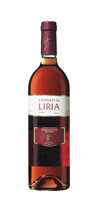
WBW #35 Spanish Wine Values: Castillo de Liria 2006

chateau de liria spanish pink wine rosé review
This fantastically appealing WBW theme (I bet there will be more participants than ever even though blogging efforts tend to wane in the summer) seems to pick up where mine left off. Like WBW #33 Languedoc-Roussillon value wine, this event is based a huge wine-producing area and an effort to seek out strong values.

I definitely found an outstanding value. It's so cheap I can't remember ever paying so little for bottle. And the beauty of it all is that a lot of plonk is more expensive than this $8 wonder.

It's called Castillo de Liria Valencia Rosé 2006 and it rings in at only $8.15 in Canadian funds. If you were to convert that to the US dollar it would be $7.70 -- well under $10 limit suggested in the WBW 35 theme. (In fact if you factor in the relatively high taxes levied on all wine bought in Quebec, this is basically a Spanish wine that retails for $6.65 US.)

Opening a bottle this affordable is what I call a no-risk endeavour. Nevertheless, I have the usual consumer-guide notes to provide.

This rosé is a transparent but bright fuschia in colour. On the nose there are strong scents of strawberry shortcake -- both sweet and fruity and bready and yeasty.

On the palate this wine is all juicy cherries but with some minerality for structure. A stunning crisp and clean finish that's quite tight is what convinces me that this a fine value. It's not at all cloying or syrupy. This rosé had none of the sugary aftertaste that I was expecting.

roses and pizza pairingIt went down great with pizza garnished with green peppers, tomatoes and ham. Overall, Castillo de Liria makes a unidimensional wine but renders it into such a nice and versatile quaffer, I'd gladly recommend it, especially for scarfing down simple dinners or for having a drink in the sun. It is 100% Bobal grape, which was introduced to me only recently at a wine shop tasting in the form of an interesting Languedoc-Roussillon sparkling rosé.

I've had some of the line of products made by Gandia Wines in the past and nothing from Vicente Gandia ever grabbed me. I'm happy to see that one of his most rock-bottom-priced wines is convincing.

Thanks to Michelle at My Wine Education for getting me back into the wine-blogging-Wednesday game after a month off to recuperate from my WBW hosting duties. Michelle, I hope you enjoy all the reviews you're getting sent your way and I'm looking forward to the round-up in a few days!

Chiva, Valencia, España. 12%.

20070516

WBW #33 Languedoc-Roussillon value wines: Château des Adouzes 2001

wbw 33 languedoc roussillon value wines mid-priced from the midi doktor weingolb theme french regional tasting may 2007 33rd edition wine blog wednesday 16thIf the host of WBW 33 missed his own deadline for submission then it can only be because of all the comments left on his site. Participants of WBW 33 are showing great linking action and I couldn't resist clicking on each link as each one as it came in, reading up on other's tasting notes for Languedoc-Roussillon value wines while letting the post for my very own entry lag behind. This is obviously called host joy and I apologize if it equals participant misery (I'll do my best to corral an effective round-up over the weekend... meanwhile there's a round-up that's strictly self-serve: gotta love all those clickable links left in the comments!)

obsessive compulsive wine hobby hobbyism ocd wbw hobbyistMy glee in reading through the posts of WBW participants has been an enjoyable pastime but it has also been a relief -- seeing the depth and range of wines within this month's theme that are being blogged about is reassuring to me. From the beginning I wanted to help with a theme that according to some winos is considered somewhat obscure. I have to admit that I wondered if I would need to compensate with extra entries in case nobody showed up for the event. I thought maybe a good host would do that for the sake of the theme. So from the beginning I kept a tally of all the wines that I tasted that were on theme. Over the course of roughly a month, my secret tally grew and grew (see image at right). It isn't needed anymore thanks to participants. It's clear that no one will need to refer to it now (except maybe my doctor when he examines my liver).

Now I can see that my tally was something that helped give me greater understanding of the region, particularly regarding regional characteristics and also for how to shop for (sometimes hard-to-find) bottles. I hope that all those wines I drank didn't over-calibrate my palate, as can happen during any wine expo or theme tasting. Instead, I hope it made me more adept at drawing conclusions about the wine and the wine region, and I may consult it when summarizing and extrapolating during the round-up.

That is not to say that any participant jumping into the Midi scene can't generate insightful and helpful comments. In fact, I think that the unprepared taster can be the most honest. That's why blind tastings exist -- to be blind is to be unprepared. With that in mind, I think my tallied list only shows how much wine I've been drinking and buying and that I'm going to need to tone it down a bit very soon!

MY WBW 33 TASTING NOTES START HERE

faugeres red wine chateau des adouzes 2001 reviewOnward to the fruits of my labour, which is actually someone else's labour, the masterful harvesting hands at Château des Adouzes, a producer in Faugères which is one of the lesser appellations of Languedoc-Roussillon, lead by Jean-Claude Estève.

Château des Adouzes Faugères 2001 -- the sticker says 2005 (that's $20.05 actually) but this bottle is definitely a 2001. That vintage is one of the best in decades for the Languedoc and this wine showed signs of that, but only after some time. It's clear that this is value wine just in the way that it has what it takes to go the distance. Some 2001 bottles may be peaking or have peaked, but this one must have several years left in it. And of course I see this as an indicator of quality since this wine is already six years along and composed of grapes that typically don't require cellaring.

To the eye and nose, nothing much was remarkable at first. The aroma gradually sent out a cream soda nose and funky licorice. Tasting it was also a gradual process.

It was only after some diligent aeration that this red revealed its complexity and personality. And what personality it had. For the first time, I tasted chicken fat in a wine. I've gotten bacon and pork fat out of some of my favourite Coteaux du Languedoc wines. This was a first. The flavour profile was rounded out by nice ripe tomato notes and lavender. There was also licorice root (I often taste licorice but this is example was earthier -- definitely licorice root). All this means that there are serious earthy tones to this wine. Add to that grenadine and deliciously floral, and feral, flavours.

Of all the Midi wines I tasted (again I point you to my secret list), this late-bloomer was the real dynamo. Plus it has nice red fruit, shy as it may be at first. Although it is not just tomato I'm tasting, the fruit is rendered in a savoury almost vegetal format. So it's not a fruit bomb. I'm still calling it the bomb though.

Hints of carbon and an arc of palpable acid lend the entire package great balance and structure. There's beautiful length and grain on the tannins that are almost reminiscent of Dura-blended Syrah of France's Southwest. This is serious Syrah terroir and fine winemaking done in a characteristic French style. The descriptive record indicates that Adouzes's Faugères is half Carignan so it's remarkable to note that grape taking on a large role here too.

While Faugères isn't one of the Languedoc-Roussillon appellations that permit Bordelais grapes like Merlot (see Cabardès or Côte de la Malepère for that), you do get the sense that when you drink a Faugères wine like this you are in a zone not far from Bordeaux and its Southwest hinterland.

I selected the Adouzes to profile because it was the most interesting wine I've tasted in a while and also because it was such a pleasant surprise -- both in the way this 2001 has progressed into something substantial and also in how it delivers a unique flavour profile, one that I wasn't expecting.

So no doubt, it was a standout, showing off musky and earthy attributes that stand out from the other Languedoc-Roussillon wines I've been sampling lately. But in that sense it wasn't the standard-bearer for the Midi, which is why I'd like to end my post with another wine that perhaps best delivers Languedoc-Roussillon value wine.

chateau mire etang cuvee des ducs de fleury d'aide 2004 review red wine coteaux du languedoc la clapeBEST MID-PRICED WINE FROM THE MIDI?

The Château Mire L'Étang Cuvée des Ducs de Fleury Coteaux du Languedoc La Clape 2004 must be greatest example of Languedoc reliability and quality -- and at only $17.60 (in Canadian funds) it's a bonafide Languedoc-Roussillon value wine. It serves up everything I'd expect from the best this region has to offer: big red fruit, with smoke and anise bundled together alongside a healthy dose of acid, making it a breeze to serve at dinner.

This bottle comes from a specific sub-appellation of the Coteaux du Languedoc appellation called La Clape (named for a mountain). As a sub-appellation, it is primed to become its own appellation -- like Faugères is -- at some point in the future. That would be less of a mouthful on the label for this fantastic wine, and that would definitely be good so people can start asking for it by name!

Fleury d'Aude, France. 14%.
Château des Adouzes: Jean-Claude Estève, Roquessels, France. 13%.

20070515

WBW #33 Languedoc-Roussillon value wines is here . . . enter your bottle by leaving a comment below

entries wbw 33 theme french southern wines good value mid-priced bargain from midi languedoc roussillon jancis robinson praiseentries wbw 33 theme french southern wines good value mid-priced bargain from midi languedoc roussillon jancis robinson praise entries wbw 33 theme french southern wines good value mid-priced bargain from midi languedoc roussillon jancis robinson praiseComments are now turned on so earlybirds and winebloggers from Asia/Pacific can start sharing their WBW 33 bottles. So if you have a link to your entry, click on Comments below and enter the URL, along with the name, origin, and price of your wine.

(If you don't have a link because you don't have a blog, paste into the comment field your complete review once you have finished composing it -- as far as I know there is no maximum character count on what you can enter so use a word processor and knock yourself out... just make sure you aren't composing your review directly in the comment field since there's no save draft feature and it's very easy to lose your work with the touch of a wrong button!)

You can type in links like this: http://weingolb.blogspot.com/2005/12/how-dumb-was-that.html or you can even code it into the comment field using an < a > tag so it looks like this: http://weingolb.blogspot.com/2006/02/more-is-less.html. Or even better, so the URL is hidden and looks like this: click my link.

For full details on participating in WBW 33 you can go back to consult the announcement or leave a question or comment for me to answer at this link.

My WBW 33 entry will be placed right here in this post very shortly, like in 12 24 36 48 hours or so -- it's finally there now. Meanwhile I have some older write-ups of wines that would qualify for WBW 33 (like the links above). Feel free to peruse them for the timebeing.

20070509

Wine Blogging Wednesday #33 is one week away . . .

lenn thompson lenndevours.com wine blogging wednesday logolenn thompson lenndevours.com wine blogging wednesday logolenn thompson lenndevours.com wine blogging wednesday logoWhen you've posted on WBW 33, tell everyone about your entry by making a Comment, starting in five days.

If you haven't already finished shopping for the right bottle, the WBW 33 theme of Languedoc-Roussillon value wines now has a master list detailing all acceptable classifications for submission on May 16. Check out the official master list for WBW 33.

20070502

Wine Blogging Wednesday #33 is two weeks away . . .

1-2-3 weekly countdown to wbw1-2-3 weekly countdown to wbw1-2-3 weekly countdown to wbwWhen you've posted on WBW 33, tell everyone about your entry by clicking on the Comments link below [note: link will activate soon].

The WBW 33 theme of Languedoc-Roussillon value wine brings with it a vast array of bottles labelled vin de pays. This lesser-known designation is similar to the official French appellation system and definitely capable of delivering great value. Check out the Vin de Pays possibilities for a good WBW 33 bottle.

20070425

Wine Blogging Wednesday #33 is three weeks away . . .

best wine blogger wednesday everbest wine blogger wednesday everbest wine blogger wednesday everWhen you've posted on WBW 33, tell everyone about your entry by clicking on the Comments link below [note: the link will display later on when the date of WBW 33 is more close at hand].

Full details on how to play.

20070411

WBW #32 Regular vs. Reserve: Hillebrand's Harvest Cabernet-Merlot vs. Trius Red 2004

After missing the last installment of WBW because of technical difficulties, I found myself on vacation for WBW 32 (Guess what readers? WBW 33 is going to be on MY schedule since I'm hosting -- hope you'll perticipate with me in May).

Anyhow, despite being on vacation for the last 12 days, I managed to get an entry ready for WBW 32. At the time I prepared it I thought did some good scrambling and interesting blogging. But there is a but. I will wait to broach it at the end of this post.

The folks at the Wine Cask came up with a keen idea for today's event. It took a little extra time and effort: open two wines that in some way have a regular/reserve relationship with each other. The big brother and the baby brother, as I like to call them.

I found two Niagara Peninsula wines that suited this challenge. (After all, I was in Niagara for part of my vacation.) Rather than regular/reserve, they were basic brand/higher-end brand. An entry-level Bordeaux-style wine from Hillebrand Estates Winery and a fairly similarly styled effort issued under the winery's more prestigious label called Trius. (Trius is a name developed and owned by Hillebrand, so these sibling bottles go out of their way to look strikingly different. Happens in almost every family these days.)

But it doesn't matter how they look. These two are the same vintage, made of the same grapes, and produced by the same winemaking team. The only significant difference we got here is price. Or roughly $10-15 for the Harvest (depending on where you buy it), compared to $20.15 for the Trius.

Or least that's the only significant difference until they are tasted.

Hillebrand Estates Harvest Cabernet-Merlot 2004: quite woody, deserves some mellowing to bring forward its nice Cabernet Sauvignon imprint. Overall is thin but just fine with a Sunday dinner of roast beef, with roasted potatoes and carrots and mashed acorn squash.

Hillebrand Estates Trius Red 2004: fruitier with loads of red berries and a pinch of vanilla, immediately convinces as a more integrated Cabernet-Merlot blend. Fine tannins, nice length and structure. Like the Harvest it is drink now. Spicy notes and cedar contribute to its profile too, making it perfect for barbecue fare. We had seared strip loin in mushrooms and shallots, with caramelized zucchini coins and buttered potatoes with chives.

I preferred the upscale version, and furthermore, its more expensive combination of Cabernet Sauvignon, Cabernet Franc and Merlot was to me a better value. For as little as $5 more, you are getting a lot more elegance.

A successful and worthwhile exercise! But I warned you that there was a but. I found a photo of Trius readily available online so I went back to the Harvest bottle to take my own photographs of it. Suddenly I see the fine print on the label, which says the wine was cellared in Canada. Beware all you Ontario wine drinkers of the dreaded "Cellared in Canada" line. (Click on the photo at top left to enlarge the label). This cellaring business means that the grapes are partially or almost all imported!

I can't believe I played by the rules all the way for WBW 32 only to now find that I've basically been comparing cheap Chilean grapes to "VQA" Niagara harvests. VQA is a seal of quality that guarantees the origin of the grapes as Canadian. I should've been more careful to look for the VQA seal but I guess I was too preoccupied with all the other WBW criteria to notice. What a mistake! Hopefully, this post can serve some purpose to others (and maybe help convince Niagara wineries that imported grapes aren't measuring up to the real thing anyway!)

20070207

WBW #30 New World Syrah/Shiraz: Chile's Errazuriz Estate 2005, Australia's Jacob's Creek 2004 and a California Pastiche

wbw 30 Errazuriz Estate Shiraz Valle de Rapel 2005 Jacob's Creek Shiraz/Cabernet South Eastern Australia 2004Looking down the barrel of New World Syrah/Shiraz ...and I see good and bad.

For this month's WBW theme, brilliantly resurrected by Tim at Winecast (who is always ready for for a WBW throwdown -- good job organizing Tim!), I wanted to taste more than just one rendition of New World Syrah.

Why? Well, I don't usually drink much New World wine, and certainly not its version of the Syrah grape, which in Australia is infamously known as Shiraz. Because I'm inexperienced with all but the Aussiest of versions, I wanted to try to cover all the bases and not come out of the event making a snap judgment.

So I tried for three, got confirmation that at least two of the bottles were majority Syrah, and then from there took away one solid winner.

First, let me introduce the third wine, the also-ran, which ended up seeming to be ineligible for this event. It is the Joseph Phelps Vin du Mistral Red Pastiche 2005 (see image at lower right).

The 2005 vintage of Pastiche is mostly Grenache and Syrah with some Cabernet Sauvignon and Merlot. The exact figures aren't released. I even tried calling the Phelps 1-800 number to get closer to the details on this wine, but no luck. The stuff lives up to its "table wine" vagaries, and I can respect that. Suffice to say, the Syrah can't reach 51% of the composition of this wine -- what with Grenache being listed as the first ingredient and then two other grapes added into the mix. Yet the Syrah does stake its claim in this winning blend, which is quite reminiscent of a fine Rhône cuvée. It is a dignified and delicious dinner wine (it goes beautifully with Jacques Pépin's roast chicken, which is a meal I posted about just a couple of days ago). This Pastiche possesses all the smokiness and bite that a great Syrah would.

In Quebec (where I write from) Red Pastiche has a new lower-than-ever price -- some three dollars less than the LCBO in Ontario, which is a coup. And now that it is under $20 (Canadian dollars, that is) this wine is both a great value and an impressive offering. Nothing short of a great Californian example of robust viticulture and ingenious winemaking.

Speaking of fantastic wine at attractive pricepoints, witness the first bottle you see at the top of this post. It is the Errazuriz Estate Shiraz Valle de Rapel 2005. Buy this wine!

Joseph Phelps Vin du Mistral Red Pastiche 2005A vanilla-sweet nose opens up into a dark and berry delicious full-bodied wine. From the very outset when I uncorked this bottle, it was hard to believe this was a $15 wine. On the palate you get strong anise flavour supported by a cream soda edge. It is perfectly calibrated and the acid and tannin here make this wine soft and round and totally worthy of $20 or more. The Errazuriz has all the savoury spice you'd expect from an Old World Syrah, all the charm too. Bolstered by a firm oak backbone, it's clear this wine has got the goods to make it big. You could say that it could go far. And yet, I am tempted to say this is something designed to be drunk young. Its vigor and mouthpopping attack demand it. That, and a great big hearty steak with fried onions in a red wine sauce.

If what Errazuriz produces can showcase great dimension and a nice viscosity in an affordable Shiraz, Jacob's Creek on the other hand makes a wine that washes down too much like water. Jacob's Creek Shiraz/Cabernet South Eastern Australia 2004, pictured second at the top of the post, is only $1 less than its Chilean counterpart. You will want to fling that buck you save right out the window.

This blend of at least 51% Shiraz does get better with aeration but that is about all I can say in its defense. I tried to put this wine through its paces and it tasted like grape juice in the face of the above. Light to medium body with little in the form of real personality. And that is a shame because I've tried the 100% Shiraz varietal from Jacob's Creek and it holds its own. Perhaps I could refer readers to that post and in so doing end this entry for WBW #30 on a positive note.

That is what WBW #30 deserves, because in my mind, this installment has been a really striking topic and one that an Old World wino like me finds rife with interest, surprise and tremendous wine value!

Viña Errázuriz, Santiago, Chile. 14%; Rowland Flat (South Australia), Australia. 13.5%.

20070117

WBW #29 Biodynamic wine: Clos de la Briderie 2005 (blanc)

clos de la briderie vieilles vignes touraine-mesland blanc 2005
Thanks to Jack for organizing a thought-provoking and eye-opening theme for Wine Blogging Wednesday this month. See his site The Fork & Bottle for a host of information on the farm philosophy that is biodynamism and what it means for wine and wine drinkers.

To me, the biodynamic wine I tasted -- a Chenin Blanc-Chardonnay blend from the Loire -- was just another wine. It was a very nice wine, but nothing really set it apart from the other wines I've drinking lately. But what have I been drinking? Surprise! Looking at Jack's master list of biodynamic wines, I see that I've been downing a lot of biodynamic wine this month without even knowing it. Movia and Clos Roche Blanche both use biodynamics. Those two wines, along with the WBW wine I'm submitting from Clos de le Briderie, do seem to offer plenty of lively fruit and expressive personality. Could it be that the biodynamics behind them gives them their kick?

It's hard to say. How many other wines have I been appreciating and not realizing their bio status? Could I see a pattern once I sort out which is which? You'd have to put several similar bottles back-to-back to try and determine how these wines separate themselves from the rest of the pack.

But that's part of the trouble with biodynamics. Right now, it's hard to separate them out at all. Many wine vendors, including the state-run SAQ in Quebec where I shop, don't acknowledge or market these wines. That is to say the provincial wine database only goes so far as to label wines as organic, or agrobiologique in French. The SAQ employee I spoke to said that certification is an contentious issue for biodynamic wines and as a result there is no effort to categorize them at the SAQ (where are known by the French term biodynamique).

During my research and preparation, I bought two other wines. I found these ones first and they both were expensive, which made me think that biodynamic wines are pricier than the average wine. Now I see that that was a bit of a coincidence and that there are mid-range and bargain wines available.

The bottle I ended up opening last night was only $16. It was the Clos de la Briderie Touraine-Mesland 2005 (blanc), which is pictured above. Here is the file offered by the SAQ for this Loire Valley white blend:

This wine is produced at a small nine-hectare vineyard where no herbicides, insecticides, acaricides or chemical fertilizers are used. Made from 80% Chenin and 20% Chardonnay grapes that are picked by hand, the wine is aged partly in oak barrels. Organic.
Tasting Note: The nose is mineral and a little smoky. The mouth is highly expressive, with a sharp, lemony attack that provides freshness and body. Notes of ripe apple create roundness and suppleness in the finish.
Food Pairing: Ideal with mussels marinière or lobster.
Alcoholic Strength 13.1 %
On the bottle label the ABV is actually measured at 12.5%. Additionally, my notes differ on the smoky/woody front: I did not really notice the oak to tell you the truth. But in hindsight I can imagine it there, making this wine one of those really well-integrated whites.

The label also mentions that this wine is from old vines -- Vieilles Vignes -- and that this cuvée garners the Demeter brand, meaning that this wine is made from grapes harvested biodynamically -- vin issu de raisins cultivée en agriculture biodynamique.

On the back label there are two more authentications. One for Ecocert and another for BIODYVIN (Vignoble cultivée en bio-dynamie). It's no wonder the SAQ doesn't know what to do with all these battling certifications.

But never mind that. How did it fare with dinner? It was straw-coloured and had a mineral aroma with a hint of pears and a strong raciness about it. It tasted of exotic fruit -- banana and apple with a touch of honey and endowed with a full body and a lovely finish. It had big acidity but with creamy notes. Overall, a vibrant wine, as it was tingly and fresh on the first and second nights.

I would serve this Chenin with almost anything as it seems to go with both delicate and light dishes as well as robust and heavy dishes. Just don't serve it too cold! Try it at 8 degrees Celsius. I had the wine as a complement to leek quiche with a salad and roasted cauliflower. Then on the next night, I made something recommended by the bottle, which was fish. I had trout with lemon and saffron basmati rice and a side of charred Brussels sprouts with garlic. Very yummy.

This versitile wine handled both, dynamically!

Vincent Girault, Monteaux, France. 12.5%.

20061213

WBW #28 Festive Sparklers: Monmousseau Cuvée J.M. Mousseux 2002 and Mumm Cuvée Brut Prestige NV

For this month's tasting theme, Brenda from Culinary Fool asked for entries on sparkling wine, i.e. NOT Champagne, since wines bearing the official Champagne appellation was tackled earlier this fall.

wine blogging wednesday 28 sparkling sparklers festiveShe's no fool. In fact, Culinary Fool is replete with great information pertaining to sparkling wine, and Brenda's WBW theme is backed up with a five-part debriefing that's instructive and well-organized. So by all means, spend some time with the many useful directions the links above will take you.

Brenda also asked for specific details on the sparklers that participants open, including a practical categorization she's set up for us called Party Sparkler, Special Sparkler or Dud. Since my participation stemmed from an actual, fairly festive get-together I had on the weekend, hitting the Special category was the aim. To make sure they were Special, my guests and I went with known quantities. We got bottles we knew were worthy of the occasion and they did not disappoint. (They also could fit into another WBW category called "Mmmmm... those yummy cuvées have lots of M's" but I digress...)

The sparkling wines we had were: Monmousseau Cuvée J.M. Touraine Mousseux 2002 and Mumm Cuvée Napa Brut Prestige NV (NV stands for non-vintage though "Napa Valley" would be applicable here). The repetitious M's (I count seven) were incidental, but these bottles sure were yummmmmmmy. Okay, enough word play.

First up was the 2002 J.M. Monmousseau. Not only it is a reliable brand, its affordable price makes it crossover categories from Special to Party. It was packed with fruit and refreshment. One guest gravitated to it because it was so cooling and refreshing. It was great with salmon and spinach mousse.

monmousseau sparkling chenin blanc

A Chenin Blanc sparkling wine from Touraine in the Loire Valley in France.
It was followed by the non-vintage Mumm, which is a Champagne House, but here operating out of California's Napa Valley, far far away from Champagne. It was quite different from the first bottle, thought they both were made using the traditional method. From the moment we poured out the Mumm, we noticed the light salmon colour. And it tasted creamier, yeastier, and generally less fruit-driven but thoroughly delicious.

mumm napa sparkling pinot noir pinot meunier chardonnay
A Pinots-Chardonnay blend sparkling wine from the Napa Valley in California. PHOTOS: CATHY CHAMPAGNE
Obviously grape composition set these sparklers apart and gave them quite different profiles. The Chenin Blanc was dry and citrusy, the Pinot Noir-Pinot Meunier-Chardonnay was rich and nutty. I've never done a blind tasting on sparkling wine before, but I am sure anyone could distinguish these two blind.

Montrichard, Loir & Cher, France. 12%. Rutherford, California, U.S.A. 12.5%.

20061011

WBW #26 Where's Wino? Domaine Le Galantin 2001

spiegelau decanter carafe mystery red wine[Post updated with answers to Where Wino? contest]

Where's Wino? is "Basic Juice" Beau's innovative theme for this month's WBW installment. Check out the growing line up of nameless wines and placeless provenances on his site because this WBW is also a contest.

This time, winos need to figure out where's a wine coming from, which is quite a departure from the usual show and tell format of WBWs. Here it's the reader, not the writer, who is to determine which of six possible origins best fits the wine based only on its description. What follows is the description of the wine shown at left, my entry in Beau's roundup.

In order to figure out my where's wino, you probably need to pinpoint what wine I'm drinking. Start with the picture of it and then work you way down my notes to figure out the style or varietal, and then guess where the wine comes from. Good luck!

The uncorking: My first thought is wow. Immensely buzzy mouthfeel produced from what seems to be fruit and a ton of alcohol. I think this wine is lacking balance, unfortunately. A lot of heat, soupy on the nose and scorching on the palate. (Yes, indeed, the label says 15% -- am I allowed to reveal that?) I've already emptied this bottle into a decanter (check out how it looks sitting in a carafe in the photo I took -- it might get you closer to Beau's prize) because decanting these wines is definitely something you are likely to want to do. And so I now choose to wait a bit.

A half-hour later: Dinner, something I've paired to match the wine, is now on the table: merguez and couscous with vegetables. The wine shows some signs of yielding slightly to the hyper-sweet stewed raisins in the harissa-scented couscous and the flavourful garlic and spiced meat of the lamb sausage also try to tame this beast in a bottle. Gamier food would be more ideal but the lamb is pretty pungent. Yet the wine still comes off for the most part as a kind of very berry cocktail made primarily of cranberry vodka. But there is some echo of bramble going down, an interesting hint of clove and maybe some of that storied barnyard I am eager to experience. So this means I have hope that further aeration dials this red wine down a bit. Meanwhile it is medium-bodied, dry, with some length on the finish but more tannin and acid are needed for greater structure. The wine was about $20 and I wouldn't go out and purchase more of it.

5 hours later...: It has gotten rounder with more softened fruit flavours like cherries or even strawberries, but the alcohol is still too hot.

LATE BREAKING UPDATE

The day after: It's been more than 24 hours since I first tasted this wine. I sent my notes to Beau but now return to the remainder of this wine for a deluxe bacon double hamburger and shoestring potatoes dinner. The wine shows more complexity on the second night -- I get black fruits and olives this time -- but essentially remains on the outer edge of a wine I would open again. That's mostly because I find the alcohol not only interferes with dinner but also because it kills the subtler savouriness within the wine. I'm also not sure about what it does to the wine's structure. But it does seem to be a wine capable of evolving as I've seen somewhat, so perhaps when to uncork is a more significant question than if ever to uncork it again. I think I have seen how time plays out here. I wonder what five years or more would have done to this wine, and where it would've taken it, especially its heady alcohol. Perhaps its bouquet could've achieved balance with its power.